Mold Resistant Paint Solutions in Xenia & Beavercreek, OH
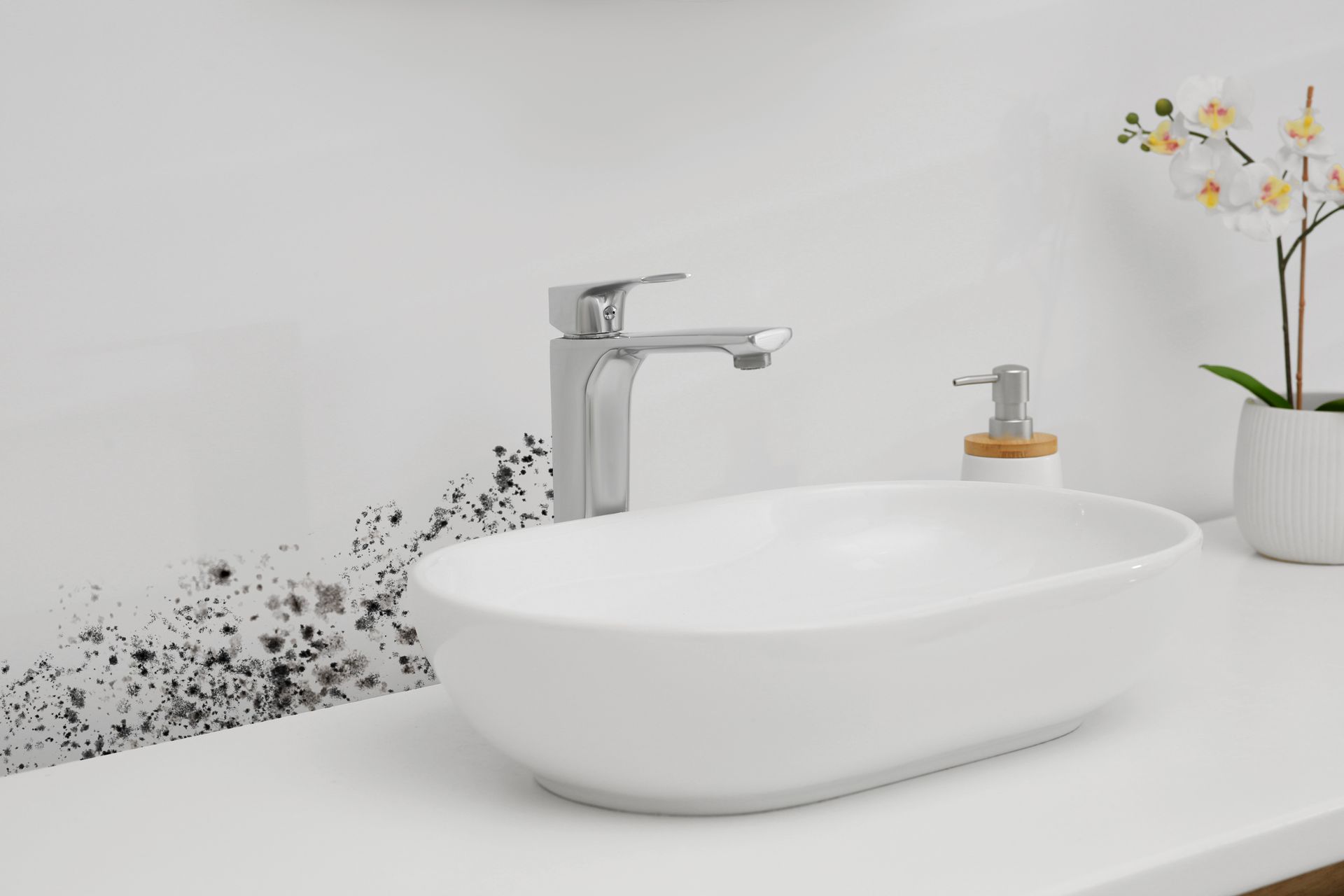
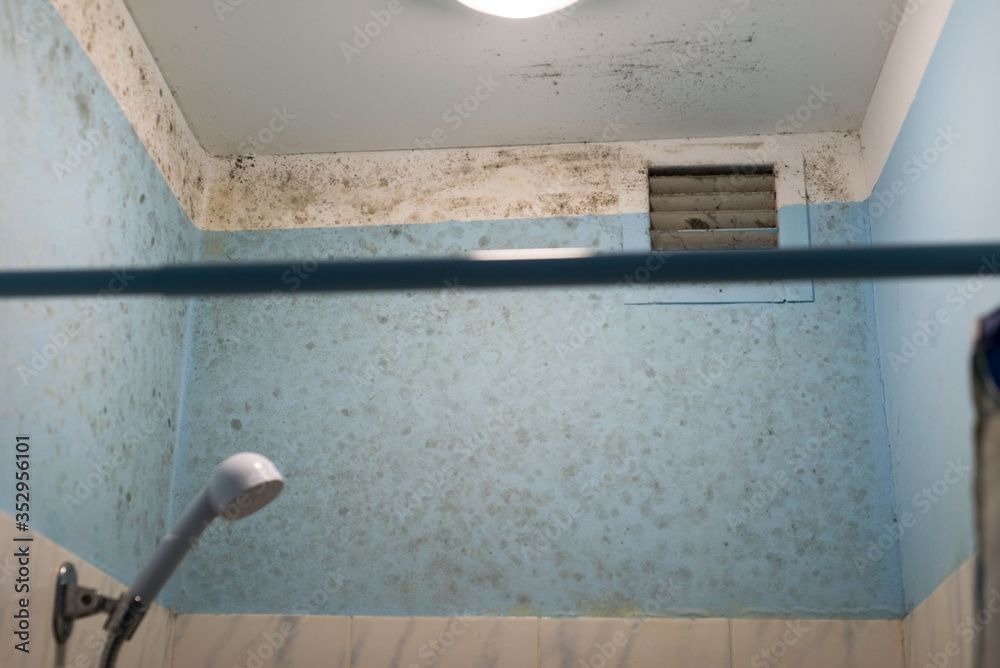
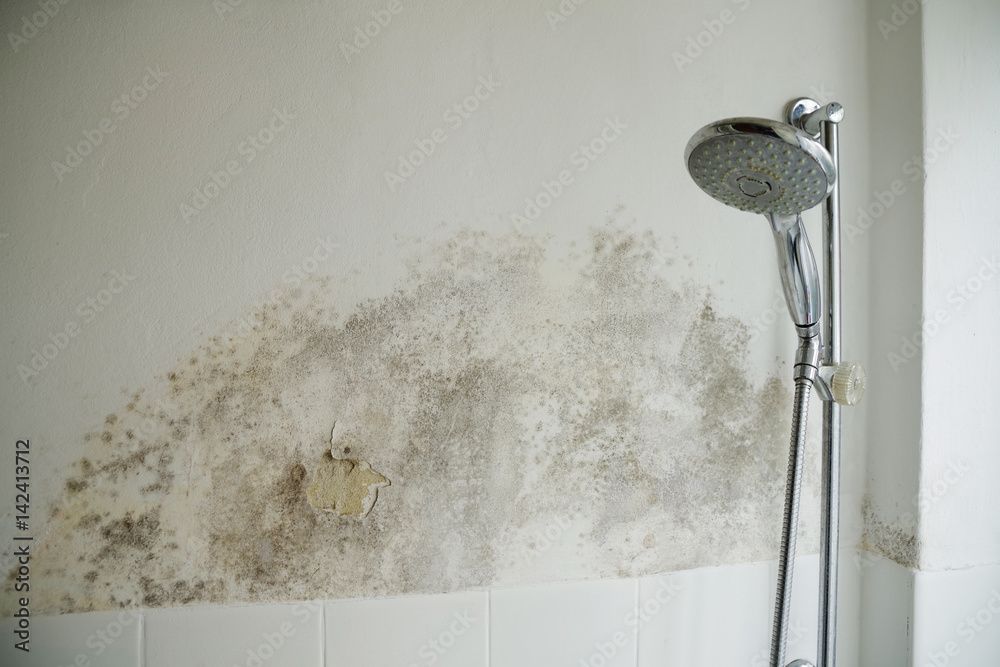
At Louderback Plumbing, we know that moisture is the #1 cause of mold and mildew in bathrooms. Even with proper ventilation, high humidity and constant water exposure can lead to staining, peeling paint, and lingering odors. That’s why we use a premium mold- and mildew-resistant paint specifically engineered to protect bathroom surfaces and keep your space cleaner, healthier, and looking its best.
Why We Use Mold & Mildew-Resistant Paint
Key Benefits
- Blocks existing mold & mildew stains
Designed to cover discoloration and prevent it from bleeding through the new paint surface. - Prevents future growth
Contains long-lasting mildew-resistant additives that stop mold spores from taking hold. - Durable, washable finish
Perfect for bathrooms with frequent cleaning and heavy use. - Moisture- and humidity-resistant
Holds up against daily showers, steam, and poor ventilation. - Low odor & safe for indoor use
Ideal for homes, rental properties, and commercial bathrooms.
How Our Bathroom Mold-Blocking Paint Service Works
Thorough Inspection
We inspect the bathroom for underlying plumbing leaks or moisture issues. If a hidden leak is contributing to mold growth, we fix that first—paint alone cannot solve the problem.
Surface Preparation
We clean and prep the walls to ensure optimum adhesion and stain coverage.
Application of Mold-Blocking Primer/Paint
We apply a professional-grade mold-resistant coating designed for bathrooms, showers, and other moisture-prone areas.
Long-Term Protection
Once applied, the paint forms a protective barrier that helps keep mold and mildew from returning.
After a leak, pipe burst, or water damage event, drying the area is only part of the job — moisture trapped behind drywall or in damp framing can lead to mold growth even after the visible damage is repaired. Louderback Plumbing offers mold-resistant paint application as part of our post-leak repair process for homes and businesses in Xenia, Beavercreek, and Greene County, helping protect walls and ceilings after water exposure.
This service is typically paired with a plumbing repair — fixing the leak or pipe issue first, then treating the affected surfaces — rather than offered as a standalone painting service.
This specialized paint is perfect for:
- Bathrooms without good ventilation
- Basements
- Laundry rooms
- Utility rooms
- Rental properties or multi-family units
- Commercial restrooms
Anywhere moisture collects, this paint adds valuable protection.
Why Choose Louderback Plumbing?
We don’t just repair plumbing — we help protect the areas most affected by moisture. By pairing plumbing expertise with mold-blocking paint technology, we ensure your bathroom stays clean, safe, and visually appealing for years to come.
We use only premium, proven mold-resistant products trusted by contractors and industry professionals. And because we understand the underlying cause of moisture problems, we address both the symptom and the source.
Protect Your Bathroom With Mold-Resistant Coatings
If you’ve noticed mold stains, peeling paint, or discoloration in your bathroom, our mold-blocking paint service is an easy, affordable way to restore your walls and prevent future issues.
Contact Louderback Plumbing today to schedule your service or request an estimate.
Mold Resistant Paint for
Greene County, OH
• Xenia
• Fairborn
• Bellbrook
• Cedarville
• Jamestown
• Yellow Springs
• Spring Valley
• Bowersville
• Clifton
• Wilberforce
Montgomery County, OH
• Dayton
• Kettering
• Huber Heights
• Centerville
• Miamisburg
• Trotwood
• West Carrollton
• Oakwood
• Riverside
• Vandalia
• Englewood
• Moraine
• Brookville
• Germantown
• Clayton
• Union
• New Lebanon
• Farmersville
• Phillipsburg
• Verona
Mold Resistant Paint FAQ
Q: Is mold-resistant paint a substitute for mold remediation?
A: No. Mold-resistant paint helps prevent future mold growth on a properly dried and cleaned surface; it is not a substitute for professional mold remediation if active mold growth is already present.
Q: When should mold-resistant paint be applied after a leak?
A: It should be applied only after the leak is fully repaired and the affected area has been properly dried, to avoid sealing in trapped moisture.



